

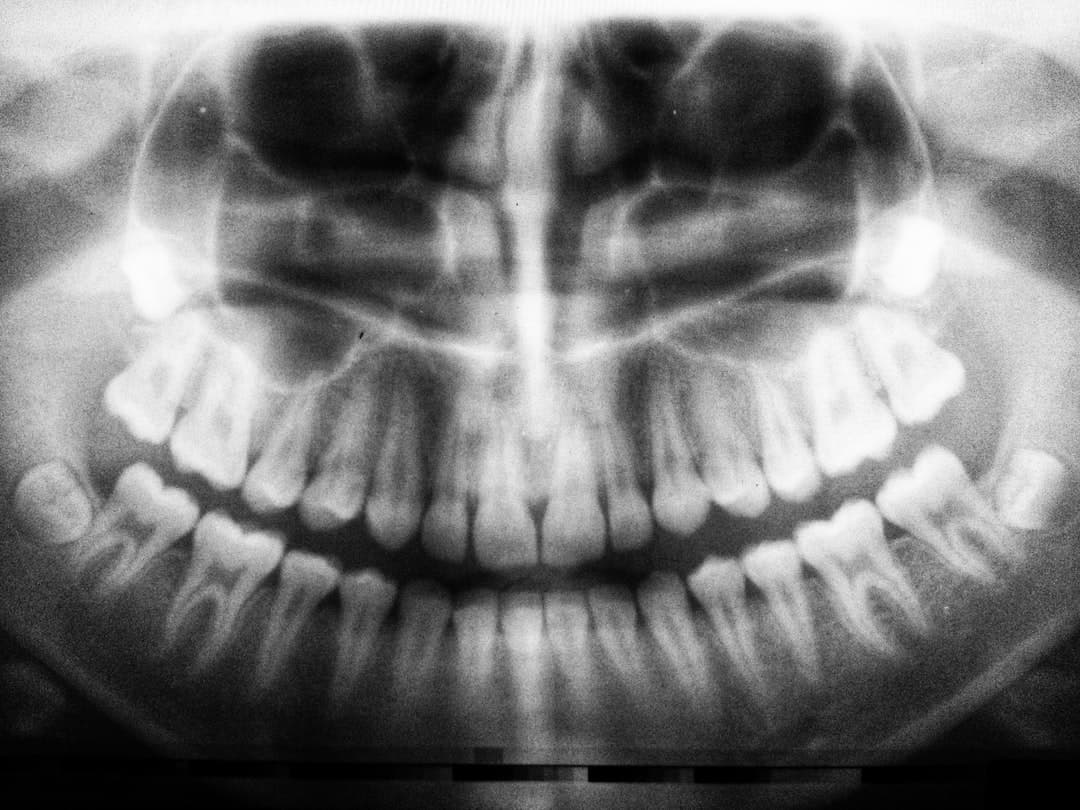
Dental emergencies can happen at any time and knowing how to handle them is crucial for maintaining good oral health. Whether it’s a chipped tooth, a broken tooth, or a knocked-out tooth, understanding the different types of dental emergencies and knowing what steps to take can make all the difference in saving your smile. In this article, we will provide an overview of the different types of dental emergencies and discuss the necessary steps and treatment options for each.
Key Takeaways
- Dental emergencies can range from chipped or cracked teeth to knocked-out teeth and severe tooth pain.
- If you chip or crack a tooth, rinse your mouth with warm water and apply a cold compress to reduce swelling.
- If you break a tooth, save any pieces and rinse your mouth with warm water. Use a cold compress to reduce swelling and see a dentist as soon as possible.
- If you knock out a tooth, rinse it with water and try to place it back in the socket. If that’s not possible, place it in milk and see a dentist immediately.
- Tooth pain can be managed with home remedies like saltwater rinses and over-the-counter pain medications, but it’s important to see a dentist if the pain persists.
Understanding the Different Types of Dental Emergencies
A dental emergency is any situation that requires immediate attention to alleviate pain, prevent further damage, or save a tooth. Common types of dental emergencies include chipped or cracked teeth, broken teeth, knocked-out teeth, severe tooth pain, and dental abscesses. It’s important to be able to recognize the signs and symptoms of these emergencies in order to take appropriate action.
Signs and symptoms to watch for include severe toothache, bleeding gums, swelling or inflammation in the mouth or face, loose teeth, sensitivity to hot or cold temperatures, and difficulty chewing or speaking. If you experience any of these symptoms, it’s important to seek immediate dental care.
What to Do When You Chip or Crack a Tooth
Chipped or cracked teeth can occur due to various reasons such as trauma from accidents or injuries, biting down on hard objects, or tooth decay weakening the structure of the tooth. When a tooth is chipped or cracked, it’s important to take immediate action to prevent further damage and alleviate pain.
The first step is to rinse your mouth with warm water to clean the area. If there is bleeding, apply gentle pressure with a clean cloth or gauze pad until it stops. To reduce swelling and relieve pain, apply a cold compress to the affected area. It’s important to avoid chewing on the damaged tooth and stick to soft foods until you can see a dentist.
Treatment options for chipped or cracked teeth depend on the severity of the damage. Minor chips or cracks may be repaired with dental bonding or dental veneers. More severe cases may require a dental crown or root canal treatment. It’s important to see a dentist as soon as possible to determine the best course of action.
Dealing with a Broken Tooth: Tips and Tricks
| Dealing with a Broken Tooth: Tips and Tricks |
|---|
| 1. Rinse your mouth with warm water to clean the area. |
| 2. Apply a cold compress to reduce swelling. |
| 3. Take over-the-counter pain medication if necessary. |
| 4. Avoid eating hard or crunchy foods that could further damage the tooth. |
| 5. See a dentist as soon as possible to assess the damage and determine the best course of treatment. |
A broken tooth can occur due to trauma, biting down on hard objects, or weakened tooth structure from decay. When a tooth is broken, it’s important to take immediate action to prevent further damage and alleviate pain.
The first step is to rinse your mouth with warm water to clean the area. If there is bleeding, apply gentle pressure with a clean cloth or gauze pad until it stops. To reduce swelling and relieve pain, apply a cold compress to the affected area. It’s important to avoid chewing on the broken tooth and stick to soft foods until you can see a dentist.
Treatment options for a broken tooth depend on the severity of the damage. Minor breaks may be repaired with dental bonding or dental veneers. More severe cases may require a dental crown or extraction followed by a dental implant or bridge. It’s important to see a dentist as soon as possible to determine the best course of action.
How to Handle a Knocked-Out Tooth
A knocked-out tooth can occur due to trauma, such as a sports injury or accident. When a tooth is knocked out, it’s important to act quickly in order to save the tooth.
The first step is to locate the tooth and handle it carefully by the crown (the part that is normally visible in the mouth), avoiding touching the root. Rinse the tooth gently with water if it’s dirty, but do not scrub or remove any tissue fragments. If possible, try to reinsert the tooth into its socket and hold it in place by gently biting down on a clean cloth or gauze pad. If reinsertion is not possible, place the tooth in a container of milk or saliva to keep it moist.
It’s important to seek immediate dental care when a tooth is knocked out. The dentist may be able to reattach the tooth if it’s treated within an hour of being knocked out. If the tooth cannot be saved, the dentist will discuss options for replacing the missing tooth, such as a dental implant or bridge.
Managing Tooth Pain: Home Remedies and Medications

Tooth pain can be caused by various factors, including tooth decay, gum disease, dental abscesses, or trauma. When experiencing tooth pain, it’s important to address the underlying cause and alleviate the pain.
Home remedies for tooth pain include rinsing the mouth with warm saltwater to reduce inflammation and kill bacteria, applying a cold compress to the affected area to reduce swelling and numb the pain, and using over-the-counter pain relievers such as ibuprofen or acetaminophen.
Over-the-counter medications for tooth pain can provide temporary relief until you can see a dentist. Nonsteroidal anti-inflammatory drugs (NSAIDs) such as ibuprofen can help reduce inflammation and relieve pain. It’s important to follow the instructions on the packaging and consult with a healthcare professional if you have any underlying medical conditions or are taking other medications.
Dental Emergencies on the Go: What to Pack in Your First Aid Kit
Having a dental first aid kit on hand can be helpful in managing dental emergencies when you’re on the go. Essential items to include in a dental first aid kit include gauze pads, dental floss, a small container with a lid, over-the-counter pain relievers such as ibuprofen or acetaminophen, and a small mirror.
Tips for creating a dental first aid kit include keeping it in a portable container that is easily accessible, checking the expiration dates of medications regularly, and restocking any used or expired items. It’s also important to include the contact information for your dentist or an emergency dental clinic in case of emergencies.
When to Seek Emergency Dental Care: Signs and Symptoms to Watch For
While some dental emergencies can be managed at home, there are certain signs and symptoms that indicate the need for immediate dental care. These include severe toothache that is not relieved by over-the-counter pain relievers, bleeding that does not stop after applying gentle pressure, swelling or inflammation in the mouth or face, loose teeth, and difficulty chewing or speaking.
Symptoms that require immediate attention include fever, difficulty breathing or swallowing, severe facial or jaw pain, and sudden changes in vision or hearing. If you experience any of these symptoms, it’s important to seek emergency dental care as soon as possible.
Preventing Dental Emergencies: Tips for Maintaining Good Oral Health
Preventing dental emergencies starts with maintaining good oral health. This includes practicing good oral hygiene by brushing your teeth twice a day with fluoride toothpaste, flossing daily, and using mouthwash to kill bacteria and freshen breath. It’s also important to avoid chewing on hard objects such as ice or popcorn kernels and to wear a mouthguard during sports activities to protect your teeth from trauma.
Regular dental check-ups and cleanings are also essential for preventing dental emergencies. During these visits, your dentist can identify any potential issues early on and provide treatment before they become emergencies. It’s recommended to visit the dentist every six months for a check-up and cleaning.
The Role of Dental Professionals in Managing Dental Emergencies
While home remedies and over-the-counter medications can provide temporary relief for dental emergencies, it’s important to seek professional dental care for proper diagnosis and treatment. Dental professionals have the knowledge, skills, and tools necessary to manage dental emergencies effectively.
Types of dental professionals who can manage dental emergencies include general dentists, oral surgeons, endodontists, and periodontists. General dentists are trained to handle a wide range of dental emergencies, while oral surgeons specialize in surgical procedures such as tooth extractions. Endodontists specialize in root canal treatments, and periodontists specialize in treating gum diseases and performing gum surgeries.
Coping with Dental Anxiety During a Dental Emergency: Strategies and Techniques
Dental anxiety is a common issue that can make dental emergencies even more stressful. Causes of dental anxiety include fear of pain, fear of needles or dental instruments, and past traumatic dental experiences. Coping with dental anxiety during a dental emergency requires strategies and techniques to help manage the fear and stress.
Strategies for coping with dental anxiety during a dental emergency include deep breathing exercises to help relax the body and mind, visualization techniques to imagine a calm and peaceful place, and distraction techniques such as listening to music or watching a movie during the dental procedure. It’s also important to communicate your fears and concerns with your dentist so they can provide additional support and reassurance.
Techniques for managing dental anxiety include sedation dentistry, which involves the use of medication to help relax and calm the patient during the dental procedure. There are different levels of sedation available, ranging from mild sedation to general anesthesia. It’s important to discuss the options with your dentist to determine the best approach for managing your dental anxiety.
In conclusion, knowing how to handle dental emergencies is crucial for maintaining good oral health. Whether it’s a chipped tooth, a broken tooth, or a knocked-out tooth, understanding the different types of dental emergencies and knowing what steps to take can make all the difference in saving your smile. It’s important to seek professional dental care when necessary and to practice good oral hygiene to prevent dental emergencies from occurring. By being prepared and taking immediate action, you can effectively manage dental emergencies and protect your oral health.