

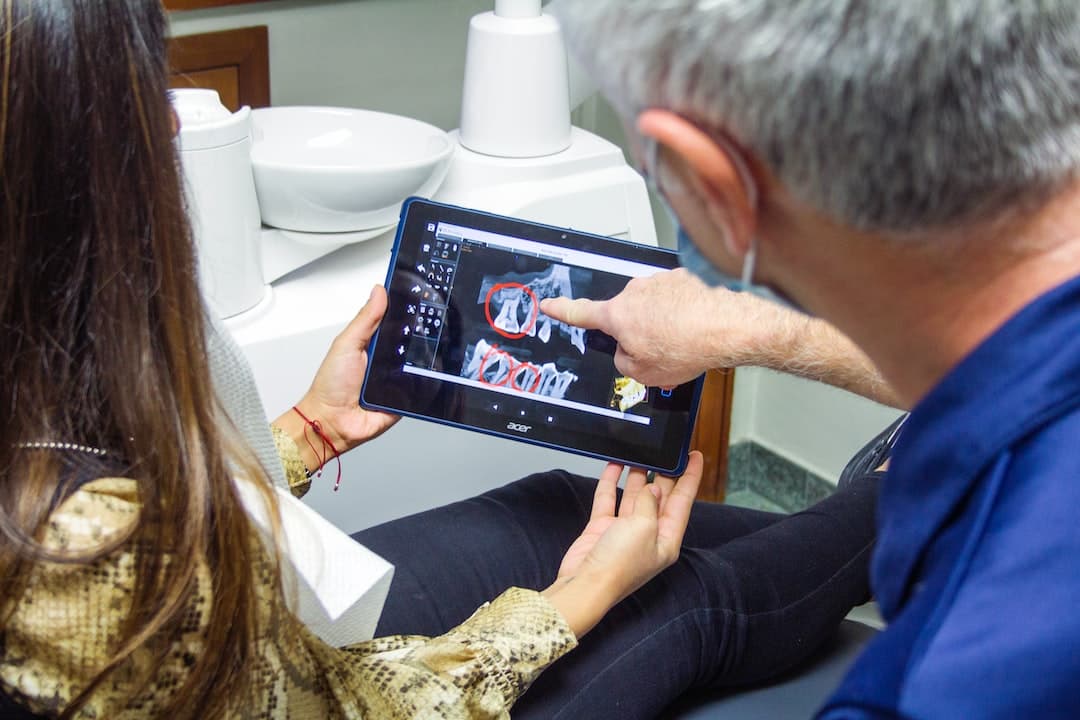
Root canal procedures are a common dental treatment that is performed to save a tooth that is severely infected or decayed. It involves removing the infected pulp from the tooth and filling it with a special material to prevent further infection. While the procedure itself is important, it is equally important to prioritize post-procedure care for a successful recovery. This article will provide a comprehensive guide on post-procedure care for root canals, including pain management, diet and nutrition recommendations, oral hygiene tips, and more.
Key Takeaways
- Root canal procedure involves removing infected or damaged pulp from the tooth.
- Post-procedure care is crucial for successful recovery and includes avoiding hard foods and maintaining oral hygiene.
- Pain and discomfort are common after the procedure, but can be managed with medication and ice packs.
- A soft diet with plenty of fluids and nutrients is recommended during recovery.
- Good oral hygiene practices, such as brushing and flossing, are important for long-term maintenance of a healthy smile.
Understanding the Root Canal Procedure
A root canal is a dental procedure that is performed when the pulp inside a tooth becomes infected or inflamed. The pulp is the soft tissue inside the tooth that contains nerves, blood vessels, and connective tissue. When the pulp becomes infected, it can cause severe pain and discomfort. A root canal procedure involves removing the infected pulp, cleaning and disinfecting the inside of the tooth, and then filling and sealing it to prevent further infection.
The procedure begins with the dentist numbing the area around the tooth with a local anesthetic. Once the area is numb, the dentist will create a small hole in the tooth to access the pulp chamber. Using specialized tools, they will carefully remove the infected pulp and clean out any debris or bacteria. After cleaning, the dentist will fill the tooth with a rubber-like material called gutta-percha and seal it with a temporary filling.
There are several misconceptions about root canals that can cause unnecessary fear or anxiety. One common misconception is that root canals are extremely painful. However, with modern anesthesia techniques, most patients report feeling little to no pain during the procedure. Another misconception is that root canals are not effective and will eventually lead to tooth loss. In reality, root canals have a high success rate and can save a tooth that would otherwise need to be extracted.
The Importance of Post-Procedure Care
Post-procedure care is crucial for a successful recovery after a root canal. It helps to manage pain and discomfort, prevent infection, and promote healing. Following the dentist’s instructions and taking proper care of your mouth can greatly reduce the risk of complications and ensure a healthy smile.
One of the most important aspects of post-procedure care is managing pain and discomfort. It is common to experience some level of pain or sensitivity after a root canal, but this can usually be managed with over-the-counter pain relievers or prescribed medications. Applying an ice pack to the outside of the mouth can also help to reduce swelling and numb the area.
Diet and nutrition also play a key role in post-procedure care. It is important to avoid hard, crunchy, or sticky foods that can irritate the treated tooth or dislodge the temporary filling. Instead, opt for soft foods that are easy to chew, such as soups, mashed potatoes, yogurt, and smoothies. It is also important to stay hydrated by drinking plenty of water.
Pain Management: What to Expect
| Metrics | Description |
|---|---|
| Pain Scale | A numerical rating system used to assess the intensity of pain. |
| Pain Medication | Drugs used to relieve pain, such as opioids, nonsteroidal anti-inflammatory drugs (NSAIDs), and acetaminophen. |
| Physical Therapy | A type of rehabilitation that involves exercises and stretches to improve mobility and reduce pain. |
| Alternative Therapies | Non-medical treatments, such as acupuncture, massage, and meditation, used to manage pain. |
| Pain Diary | A record of pain levels, triggers, and treatments used to help manage pain. |
After a root canal procedure, it is common to experience some level of pain or discomfort. This is usually temporary and can be managed with over-the-counter pain relievers such as ibuprofen or acetaminophen. Your dentist may also prescribe stronger pain medications if necessary.
It is important to follow your dentist’s instructions regarding pain management and take any prescribed medications as directed. If you are experiencing severe or persistent pain that is not relieved by over-the-counter medications, it is important to contact your dentist as this may be a sign of complications.
Diet and Nutrition During Recovery
Following a root canal procedure, it is important to be mindful of your diet and nutrition to promote healing and prevent further damage to the treated tooth. Avoid hard, crunchy, or sticky foods that can irritate the tooth or dislodge the temporary filling. Instead, opt for soft foods that are easy to chew, such as soups, mashed potatoes, yogurt, and smoothies.
It is also important to stay hydrated by drinking plenty of water. Water helps to flush out any bacteria or debris from the mouth and promotes healing. Avoid sugary or acidic drinks that can increase the risk of tooth decay or sensitivity.
In addition to a soft diet and staying hydrated, it is important to maintain good oral hygiene during recovery. Brush your teeth gently with a soft-bristled toothbrush and avoid brushing the treated tooth until it has fully healed. Rinse your mouth with warm saltwater after meals to help reduce inflammation and promote healing.
Oral Hygiene Tips for Root Canal Recovery
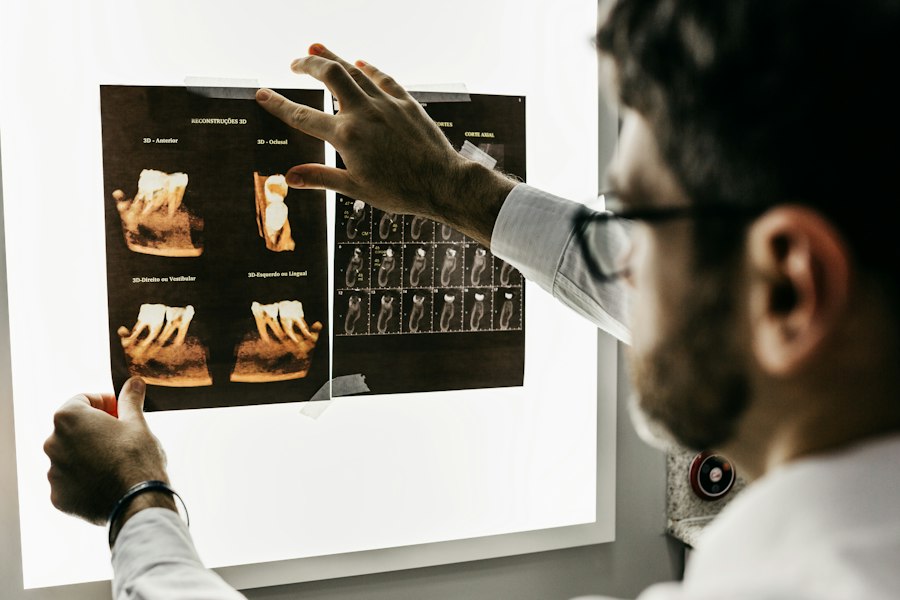
Proper oral hygiene is essential for a successful recovery after a root canal procedure. However, it is important to be gentle and avoid brushing the treated tooth until it has fully healed. Here are some tips for maintaining good oral hygiene during recovery:
– Brush your teeth gently with a soft-bristled toothbrush twice a day.
– Use a fluoride toothpaste to help strengthen the enamel and prevent tooth decay.
– Avoid brushing the treated tooth until it has fully healed.
– Rinse your mouth with warm saltwater after meals to help reduce inflammation and promote healing.
– Floss carefully around the treated tooth, being cautious not to irritate the area.
– Avoid using mouthwash that contains alcohol, as this can cause irritation or dry out the mouth.
It is important to resume your normal oral hygiene routine once the treated tooth has fully healed. This includes brushing twice a day, flossing daily, and using mouthwash if desired. Regular dental check-ups and cleanings are also important for maintaining good oral health.
Managing Swelling and Discomfort
Swelling and discomfort are common side effects after a root canal procedure. To help reduce swelling, apply an ice pack to the outside of the mouth for 10-15 minutes at a time. This can help to numb the area and reduce inflammation. Avoid applying ice directly to the skin, as this can cause frostbite.
Over-the-counter pain relievers such as ibuprofen or acetaminophen can also help to manage discomfort. Follow the instructions on the packaging and take as directed. If you are experiencing severe or persistent swelling or discomfort, it is important to contact your dentist as this may be a sign of complications.
When to Contact Your Dentist
While some level of pain, swelling, and discomfort is normal after a root canal procedure, there are certain signs that may indicate complications. It is important to contact your dentist if you experience any of the following:
– Severe or persistent pain that is not relieved by over-the-counter medications
– Swelling that worsens or does not improve after a few days
– Bleeding that does not stop after applying pressure for 10 minutes
– Signs of infection, such as fever, chills, or pus discharge
– Numbness or tingling in the lips, tongue, or chin
Your dentist will be able to evaluate your symptoms and determine if further treatment or intervention is necessary.
Follow-Up Appointments and Check-Ups
Follow-up appointments and regular dental check-ups are an important part of post-procedure care for a root canal. Your dentist will schedule a follow-up appointment to check on the healing progress and remove the temporary filling. They will then place a permanent filling or crown on the tooth to restore its strength and function.
During a check-up, your dentist will examine your teeth and gums, clean your teeth, and address any concerns or issues that may arise. Regular dental check-ups are important for maintaining good oral health and preventing future dental issues.
Common Side Effects and How to Manage Them
After a root canal procedure, it is common to experience some side effects as the tooth and surrounding tissues heal. These side effects may include:
– Pain or discomfort: This can usually be managed with over-the-counter pain relievers or prescribed medications. Applying an ice pack to the outside of the mouth can also help to reduce swelling and numb the area.
– Swelling: To help reduce swelling, apply an ice pack to the outside of the mouth for 10-15 minutes at a time. Avoid applying ice directly to the skin, as this can cause frostbite.
– Sensitivity: It is common to experience sensitivity to hot or cold temperatures after a root canal. This usually subsides within a few days or weeks. Using a toothpaste for sensitive teeth and avoiding extreme temperatures can help to manage sensitivity.
– Discoloration: The treated tooth may appear slightly darker than the surrounding teeth. This is usually temporary and can be addressed with cosmetic treatments such as teeth whitening or dental bonding.
If you are experiencing severe or persistent side effects, it is important to contact your dentist as this may be a sign of complications.
Long-Term Expectations and Maintenance for a Healthy Smile
A successful root canal can save a tooth that would otherwise need to be extracted. However, it is important to maintain good oral hygiene and follow your dentist’s instructions for long-term success. Here are some tips for maintaining a healthy smile after a root canal:
– Brush your teeth twice a day with a fluoride toothpaste.
– Floss daily to remove plaque and food particles from between your teeth.
– Rinse your mouth with an antimicrobial mouthwash to help kill bacteria and prevent infection.
– Avoid chewing on hard objects such as ice or pens, as this can damage the treated tooth.
– Schedule regular dental check-ups and cleanings to monitor the health of your teeth and gums.
By following these tips and maintaining good oral hygiene, you can expect your root canal to last for many years and enjoy a healthy smile.
Post-procedure care is crucial for a successful recovery after a root canal procedure. It helps to manage pain and discomfort, prevent infection, and promote healing. By following your dentist’s instructions and taking proper care of your mouth, you can greatly reduce the risk of complications and ensure a healthy smile. Remember to prioritize post-procedure care and maintain regular dental visits for long-term oral health.
If you’re recovering from a root canal procedure, it’s important to know what to expect during the healing process. In a related article on Gateway Village Dental’s website, they provide valuable information on Root Canal Recovery: What to Expect After Your Dental Procedure. This article offers insights into the common symptoms and side effects that may occur after a root canal, as well as tips for managing pain and promoting healing. Whether you’ve just had a root canal or are considering the procedure, this article is a helpful resource for understanding the recovery process.